
Improv Movements
I Was Told I Was Too Fat to Be a Ballerina. My name is Nydia Antonia Russe. I did not grow up studying dance. In fact, my relationship with dance began with being told that I couldn't do it. I was six years old when my family gathered to watch my cousin's ballet recital. The moment I saw her dance, I announced, with all the certainty of a six-year-old: “I want to be a ballerina!” My uncle responded in front of everyone: “You're too fat to be a ballerina.” So I never took ballet lessons. But I never stopped dancing. When no one was watching, I danced alone in my room. In college, I took Sevillanas and salsa classes. In my twenties, I spent weekends dancing in salsa clubs. During the 1990s, I loved aerobics and step classes—the choreography, the rhythm, the pleasure of learning new ways to move. Later, while studying in Seville, Spain, I immersed myself in a culture where movement was everywhere. I went to the Feria de Sevilla and watched and danced in tablaos. Dance kept finding its way back into my life. ### Then someone saw me dance. On New Year's Eve 2011, my friend Amapola, who had studied classical ballet, watched me dancing and said something I had never heard before: “I love the way you dance. You remind me of Isadora Duncan.” I didn't know much about Duncan, so I started researching her. I became fascinated by her rejection of rigid conventions and her belief in natural, expressive movement. I began experimenting with some of those ideas in my own movement practice. Then, in 2014, my life changed. After nearly two decades working in advertising, I lost my job. I was struggling emotionally and questioning what I was going to do next. A friend, María del Mar—a dancer who also worked in advertising—encouraged me to attend free Isadora Duncan dance classes at the Centro de Bellas Artes de Puerto Rico. I went. And something happened when I moved. I felt alive again. There I met Mayra Collazo Ortiz, a dance educator who spoke about Dance/Movement Therapy. Until that moment, I didn't even know such a profession existed. I remember thinking: Maybe I will never be a ballerina. But perhaps dance can still become part of my life's work. ### Movement became a way back to myself. Because I couldn't afford regular dance classes at the time, I searched Puerto Rico for opportunities to learn and move. That search led me to workshops at the Museo de Arte de Puerto Rico with dancers Noemí Segarra and Alejandra Martorell and their project, Piso Proyecto. Through their work, I was introduced to improvisation and Authentic Movement. At first, I watched. I filmed. Eventually, I moved. Those experiences changed the way I understood dance. Movement didn't have to be about perfect technique, the right body, or performing for an audience. Movement could be exploration. Communication. Expression. Connection. During that period, my personal movement practice became an important source of resilience as I navigated depression, unemployment, and major changes in my life. I wanted to learn more. That summer, I enrolled at the Real Conservatorio de Danza de Puerto Rico, where I studied Sbarra Terra and Improvisation for Composition. Soon afterward, work took me to Miami, and once again my professional life moved in another direction. But the idea of Dance/Movement Therapy never left me. ### Years later, in New York City, I finally followed it. What had once seemed like an impossible idea became a new career. I earned my Master of Science in Dance/Movement Therapy at Pratt Institute and completed more than 1,000 hours of clinical training in psychiatric, hospital, rehabilitation, and long-term care settings. Today, I am a Licensed Creative Arts Therapist (L-CAT) and Registered Dance/Movement Therapist (R-DMT) working in New York City. And the woman who spent more than 15 years as a Creative Director and Copywriter didn't disappear when I became a therapist. She came with me. Storytelling, writing, imagery, movement, improvisation, and creativity all inform the way I understand human experience. Looking back, I sometimes think about that six-year-old girl who was told she couldn't be a ballerina. She didn't become one. She became a Dance/Movement Therapist. And perhaps that was the dance she was looking for all along. — Nydia Antonia Russe, L-CAT, R-DMT
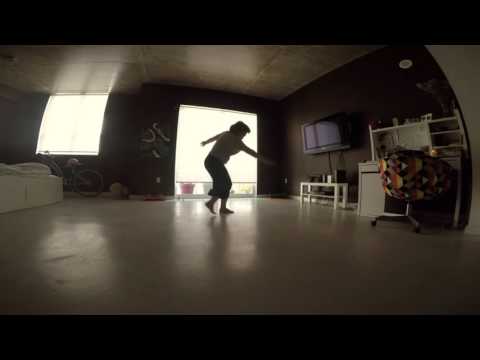
Delirios para combatir el colesterol malo #SiNoBailasTeVaADarDiabetes
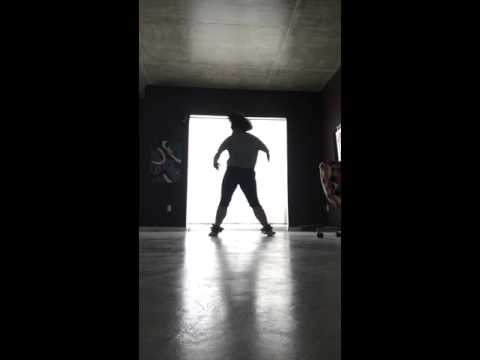
"Put on your snails and dance the blues"
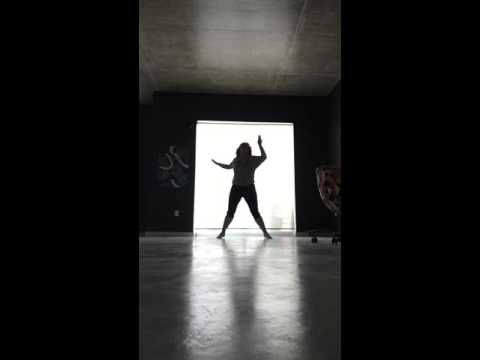
Just for one day #Heroes #DavidBowie
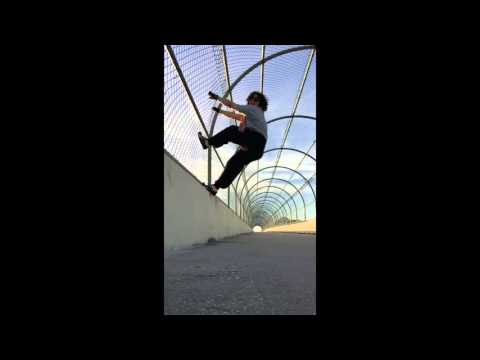
No te quites
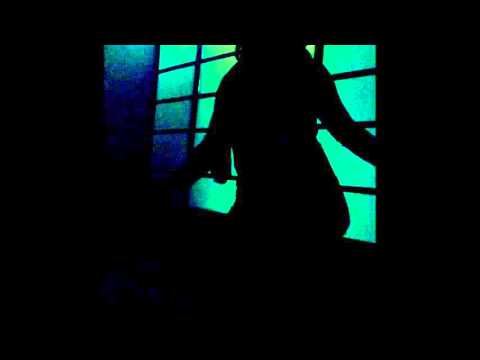
"La Fugitiva Sensación de New York City"
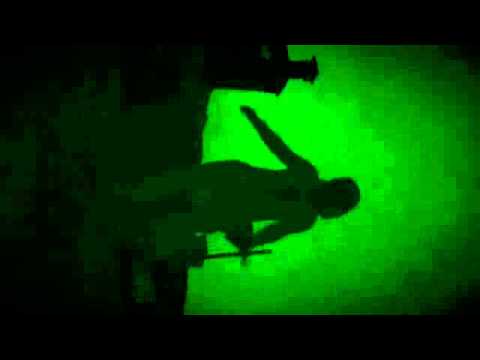
"Dancer in the dark"
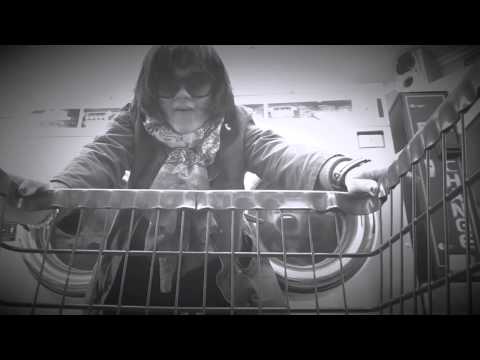
"Uber, can we go together to the movies? You're my best friend."
Quisque iaculis facilisis lacinia. Mauris euismod pellentesque tellus sit amet mollis.